Livelihood Development
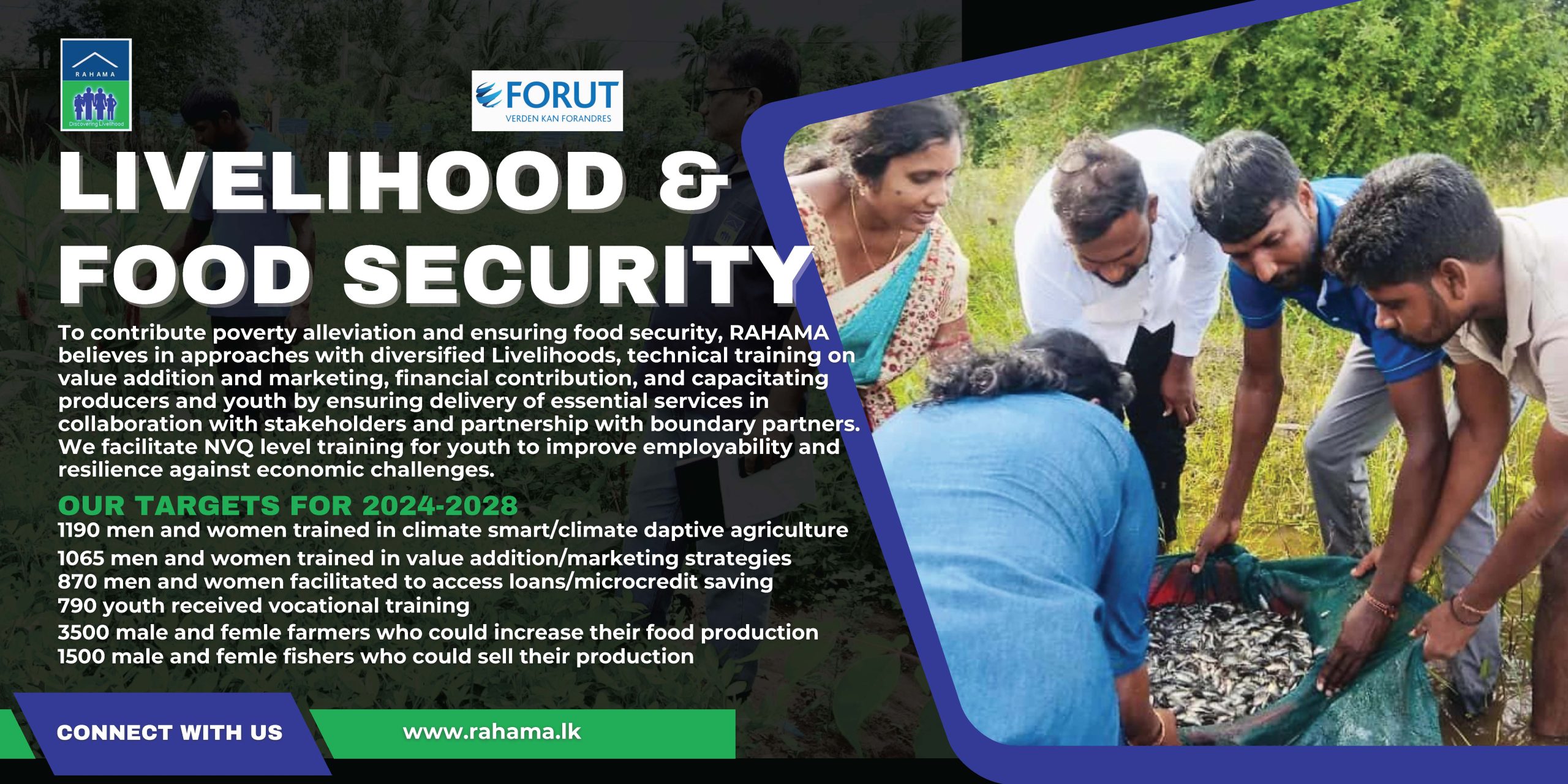
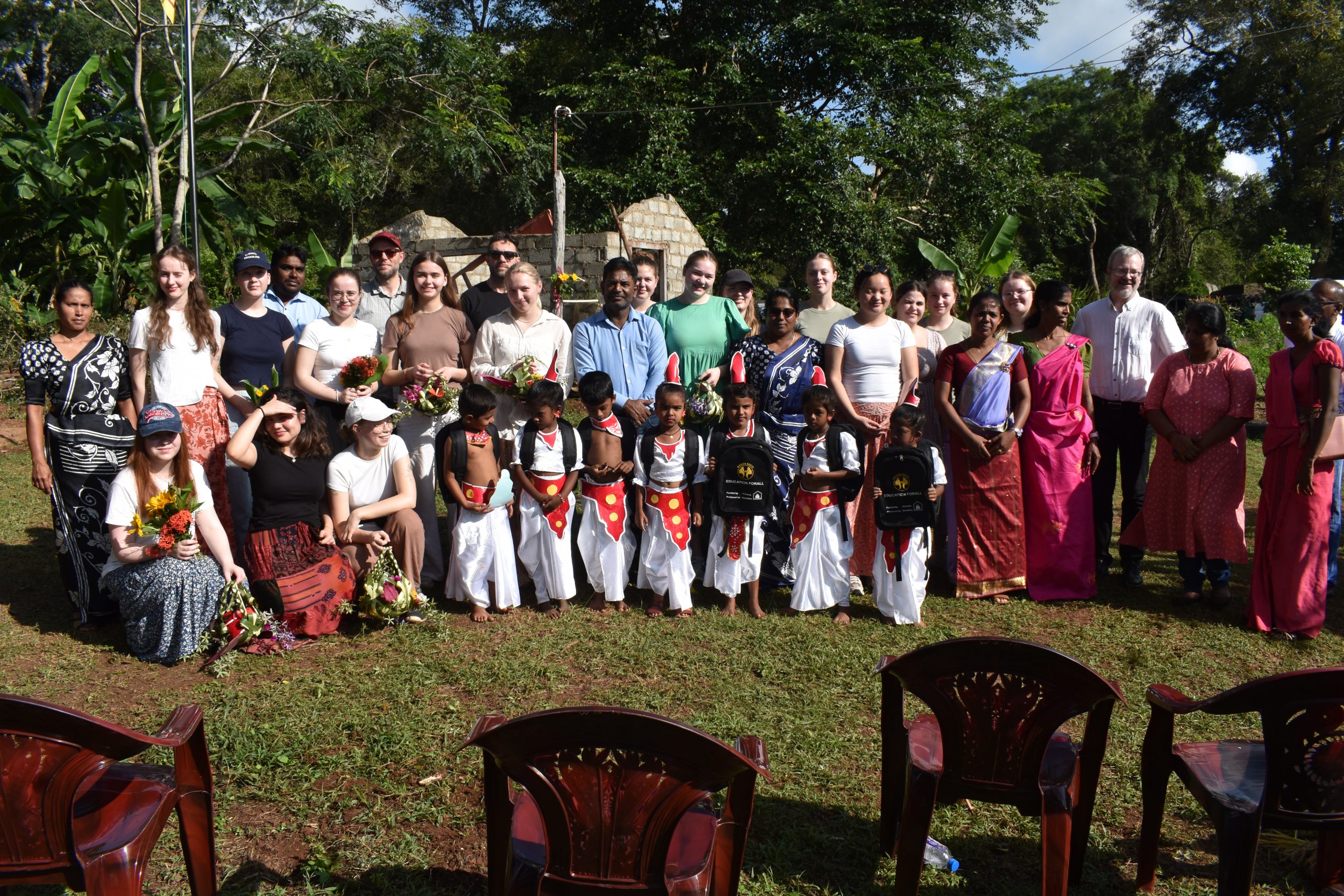
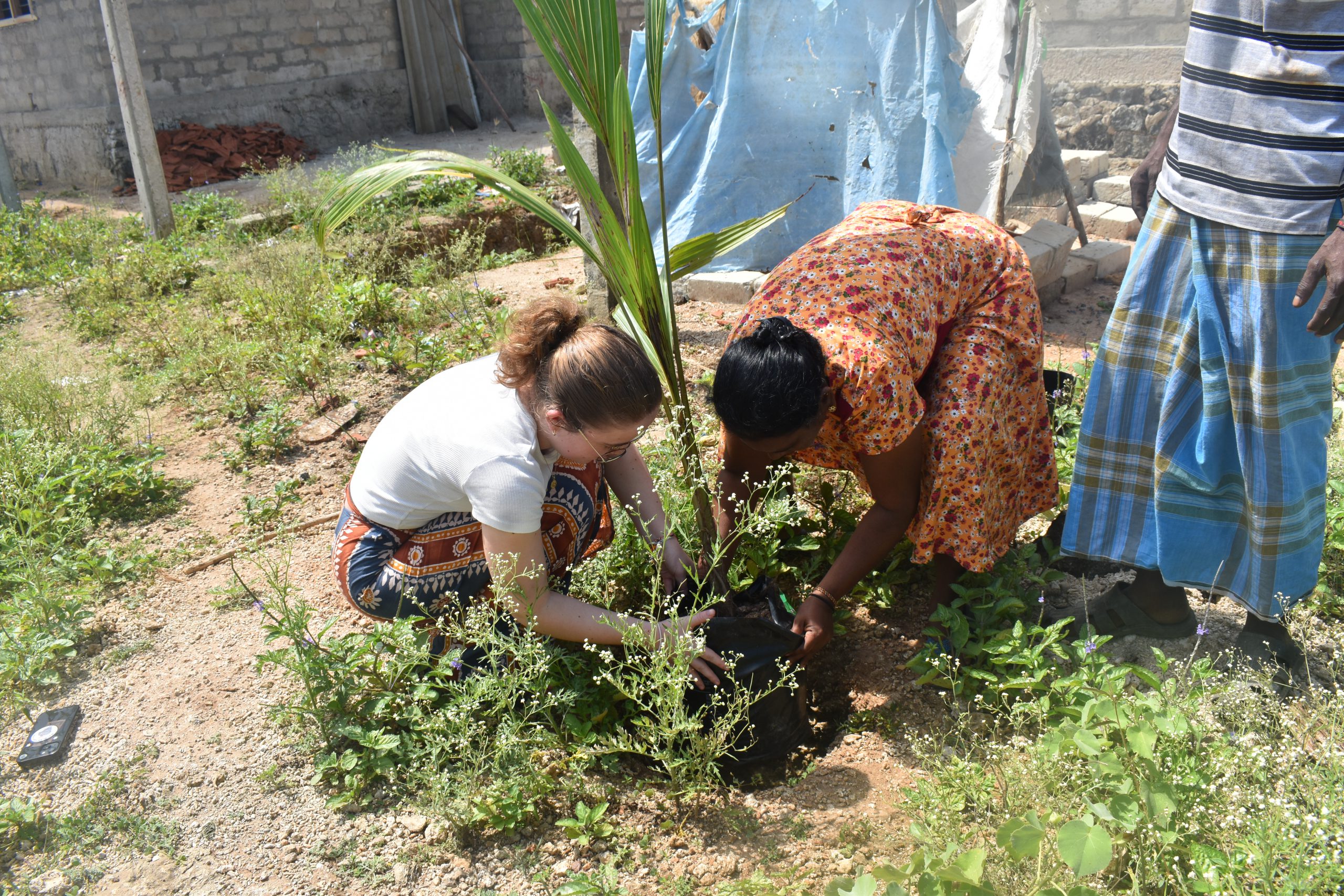
RAHAMA focuses on poverty alleviation by enhancing livelihoods and ensuring food security through targeted interventions in the Northern region of Sri Lanka. Our programs include venturing diversified Livelihoods, technical training on value addition and marketing, providing financial assistance for livelihood initiatives, and capacitating community-based organizations (CBOs) to deliver essential services in collaboration with RAHAMA boundary partners. We a co-ordinate NVQ training for youth to improve employability and resilience against economic challenges. Additionally, our efforts address climate change and disaster response, ensuring that communities are better prepared for environmental impacts that would have an adverse effect on their regular livelihoods. By empowering individuals and organizations, RAHAMA aims to create sustainable livelihoods and promote food security, fostering long-term economic stability and resilience.
Gender Equality
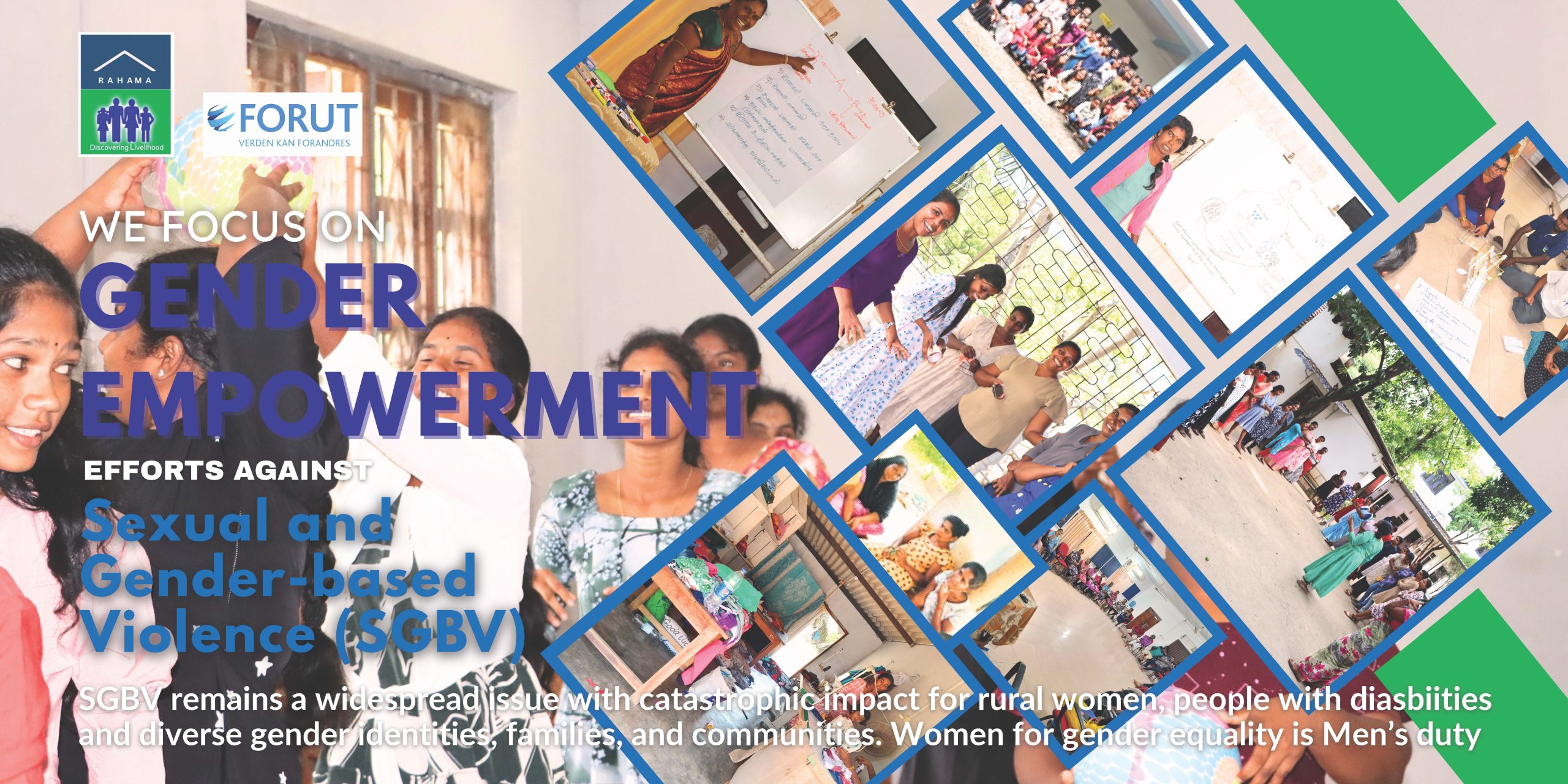
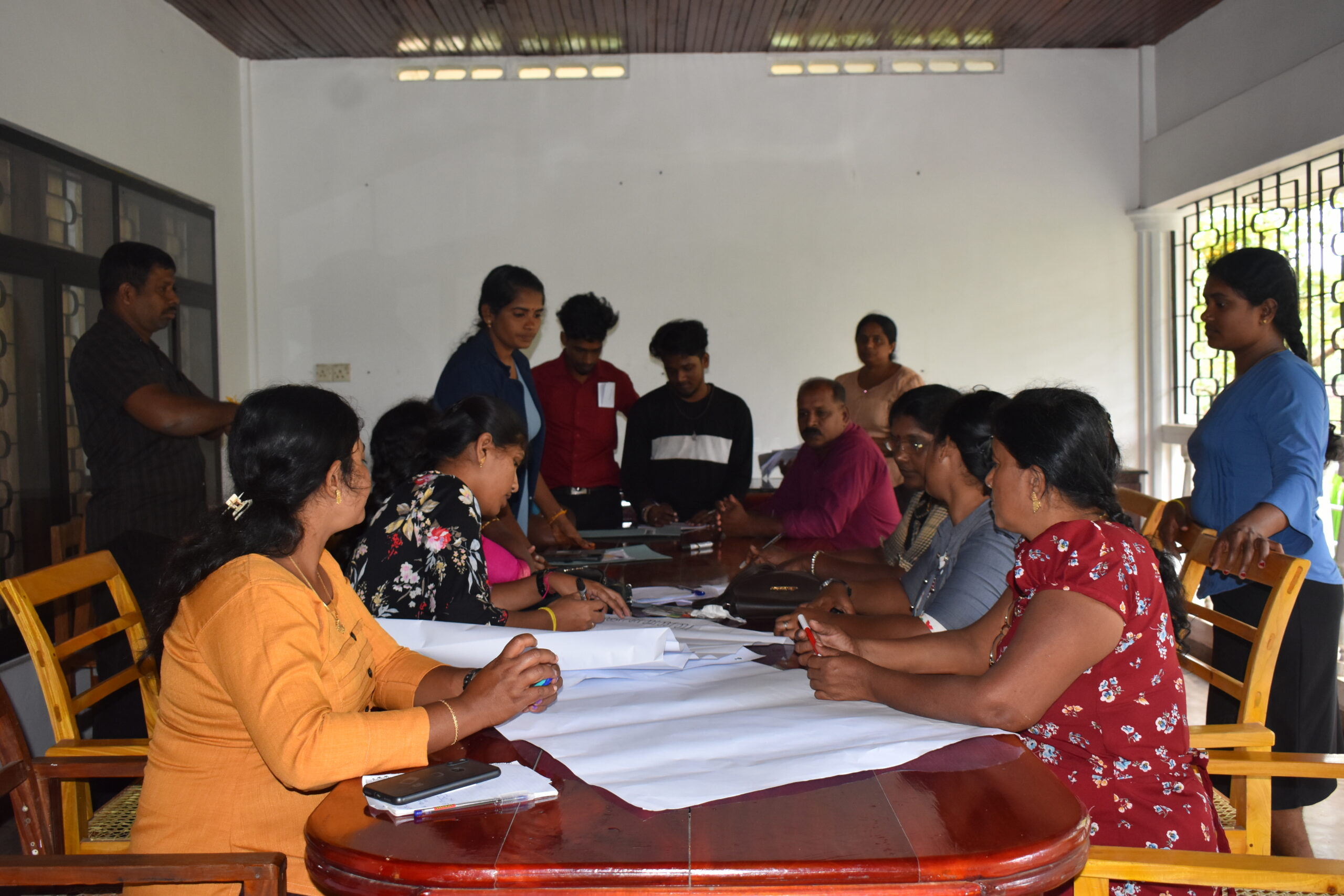
RAHAMA’s main concern is identifying, understanding and combating sexual and gender-based violence (SGBV). This violence encompasses physical, mental, or psychological abuse, sexual violence, and denial of resources or access to services, severely violating multiple human rights. Despite global efforts, SGBV remains a widespread issue with catastrophic repercussions for rural women, girls, and people with diverse gender identities, families, and communities. Our initiatives focus primarily on the Northern region of Sri Lanka, where we address various forms of SGBV and address sexual assault, domestic abuse, forced marriage, female genital mutilation, and harassment. By tackling the root causes, challenging harmful practices and attitudes, and promoting societal change, we aim to create a safer, more equitable environment for all. Our comprehensive approach includes empowering women in political participation, changing local gender norms, supporting GBV survivors, advocating for women's rights, and training duty bearers to meet the protection needs of vulnerable women.
Alcohol & Drugs Prevention
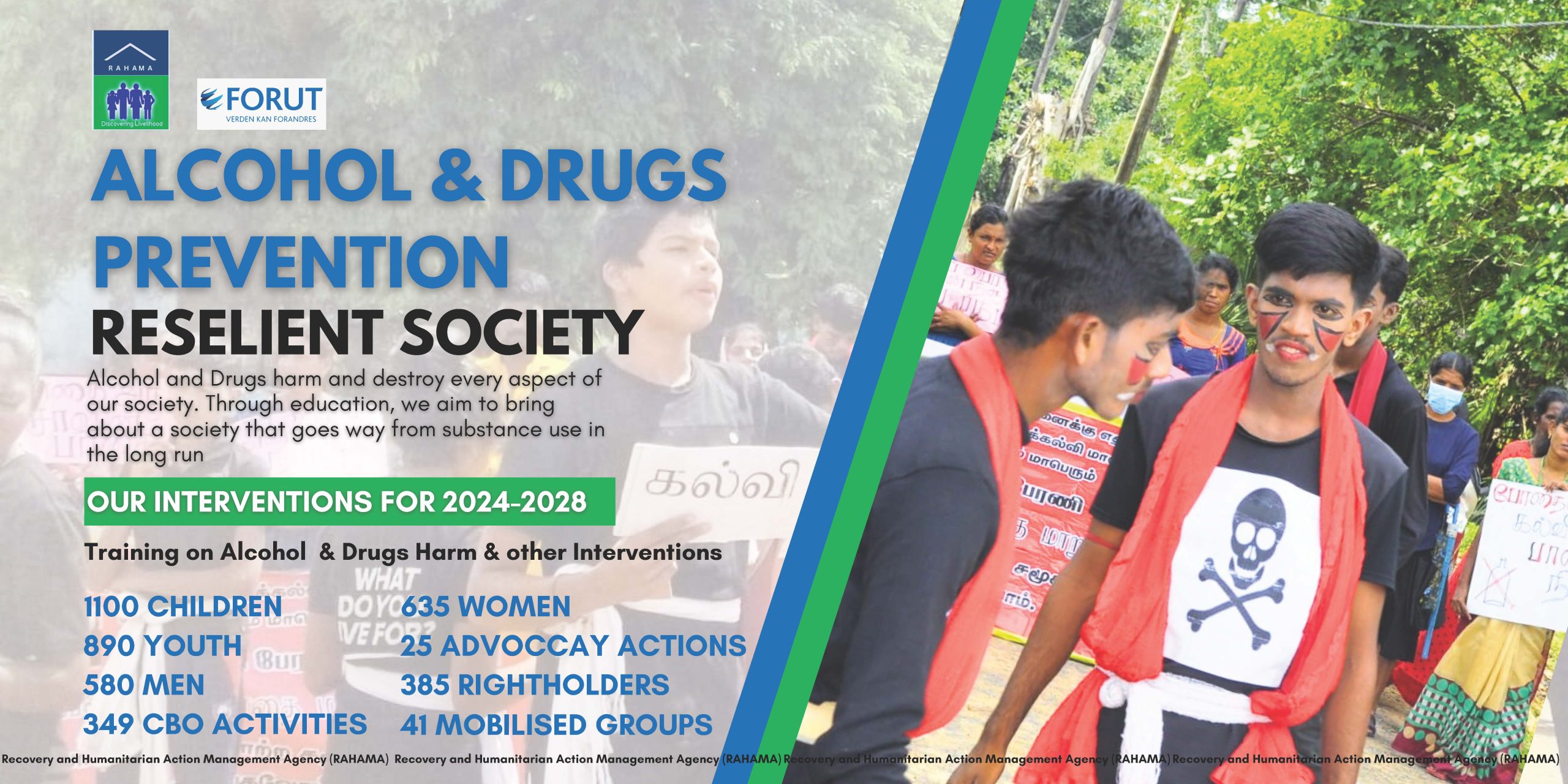
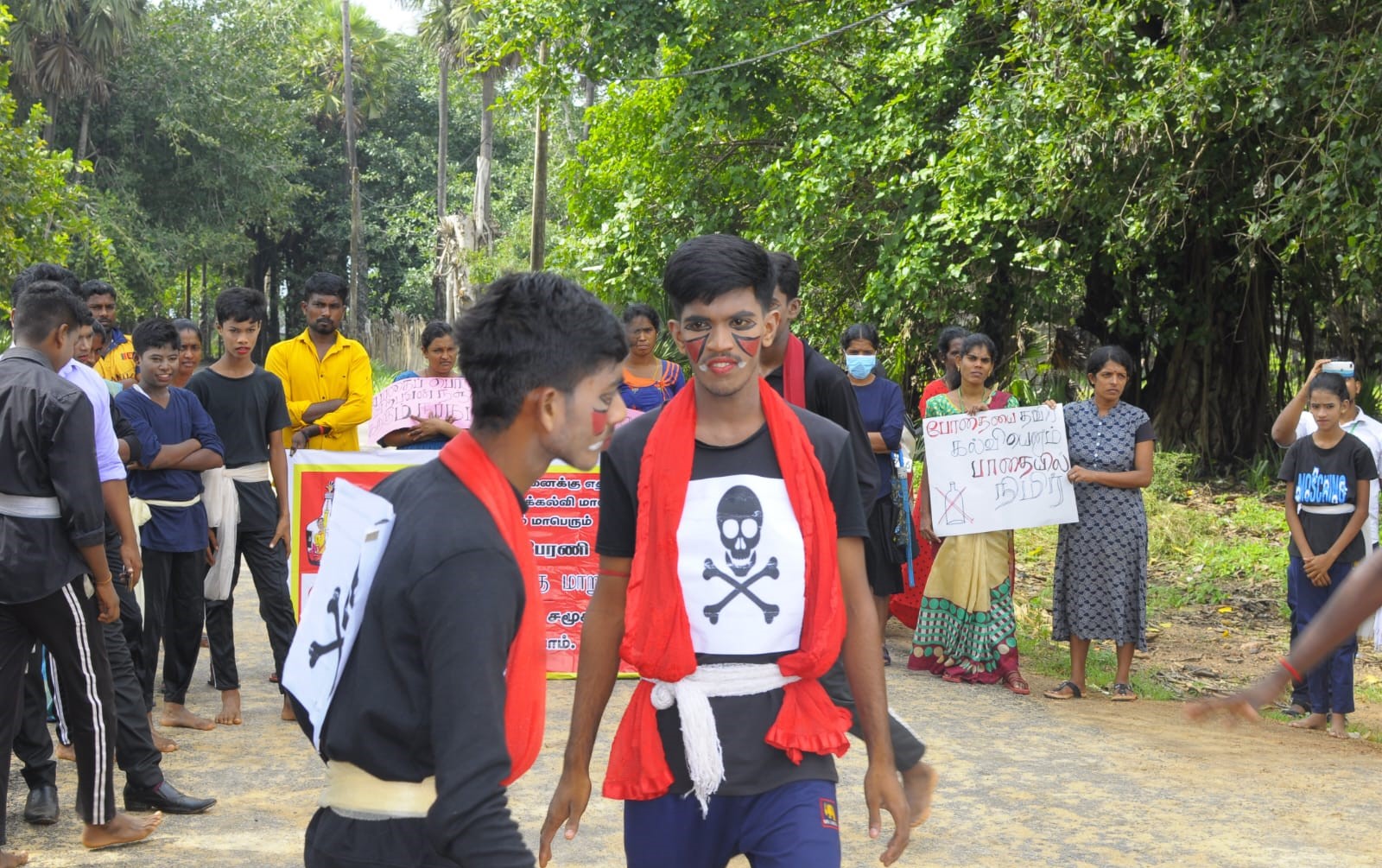
The impact of alcohol and drugs permeates every aspect of society, influencing individual lives and societal norms. RAHAMA is deeply concerned about the impact of drugs and alcohol, particularly across eight divisional secretariats in the Northern region of Sri Lanka. Through our programs, we aim to reduce consumption levels and prevent related harms associated with the use. Through reduction, highlight the financial gains that contribute to economic empowerment in the long run. Our approach emphasizes education and awareness programs, mobilizing efforts through Community-Based Organizations (CBOs) and established groups, conduct training sessions, and advocate for policy changes & implementation. Through team building and capacity development within our resource teams, we work closely with our Boundary Partners to execute prevention strategies effectively. By empowering communities to take ownership of prevention efforts, we aim to create lasting change and reduce the demand for alcohol and drugs in society.
Child Rights Protection and Promotion
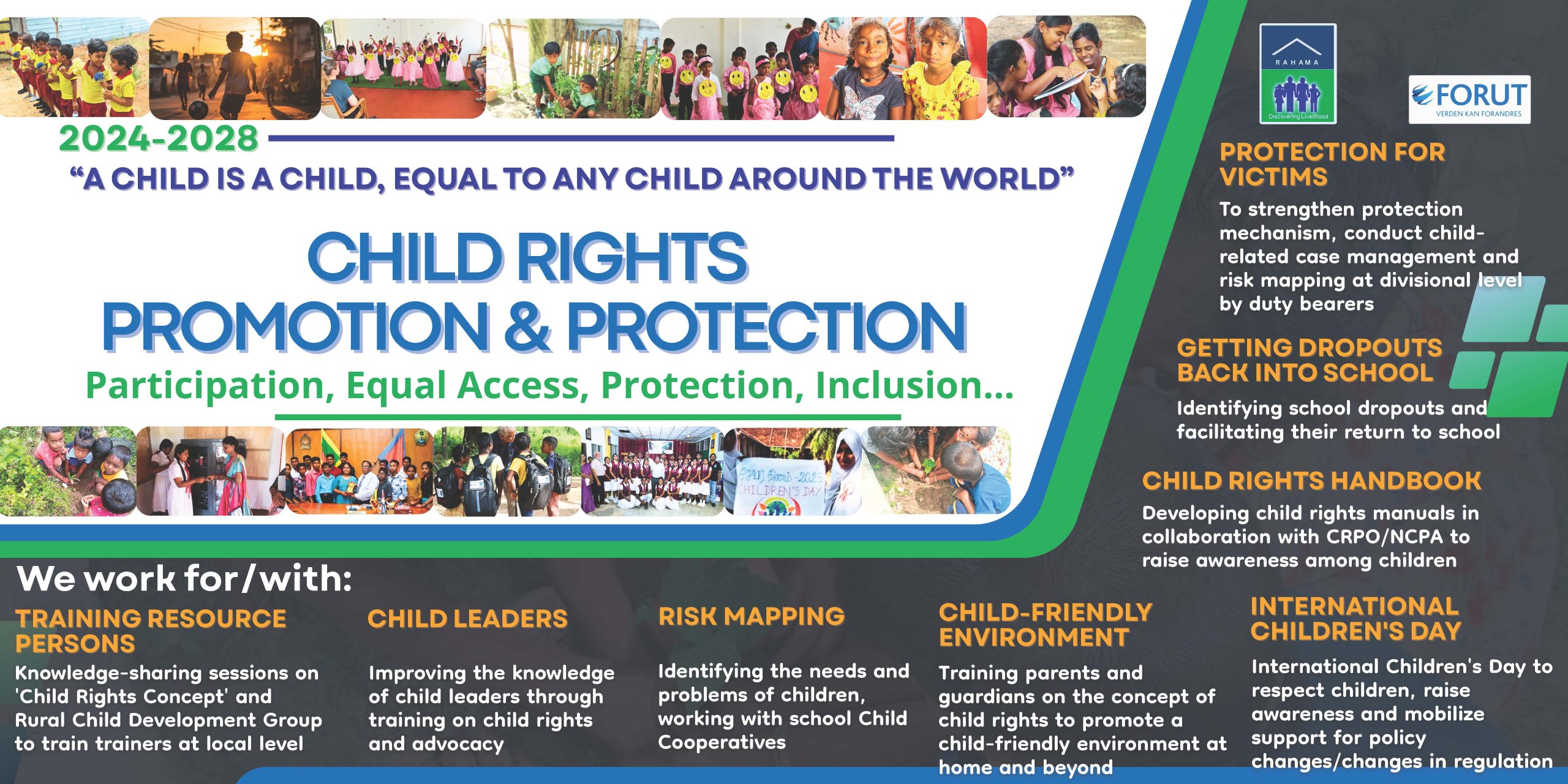
RAHAMA is dedicated to
safeguarding children's rights through education. Recognizing
children as today’s citizens and the architects of tomorrow's society, our
initiatives focus on providing them with love, care, education, and
protection. Awareness creation,
empowerment, protection, advocacy, and capacity-building for parents/caregivers
duty bearers are the strategies advocated to selected school cooperatives,
preschools, and children's clubs operating in the Northern region of Sri Lanka.
RAHAMA collaborates with them to ensure the holistic well-being of children. We
uphold the principles outlined in the Child Rights Convention, emphasizing the
responsibility of both the state and guardians to ensure children's rights are
upheld. By empowering communities,
through education and advocacy, we strive to create environments where children
can thrive and reach their fullest potential. With meaningful participation in securing
their rights, laying the foundation for a brighter future.
Mental Health
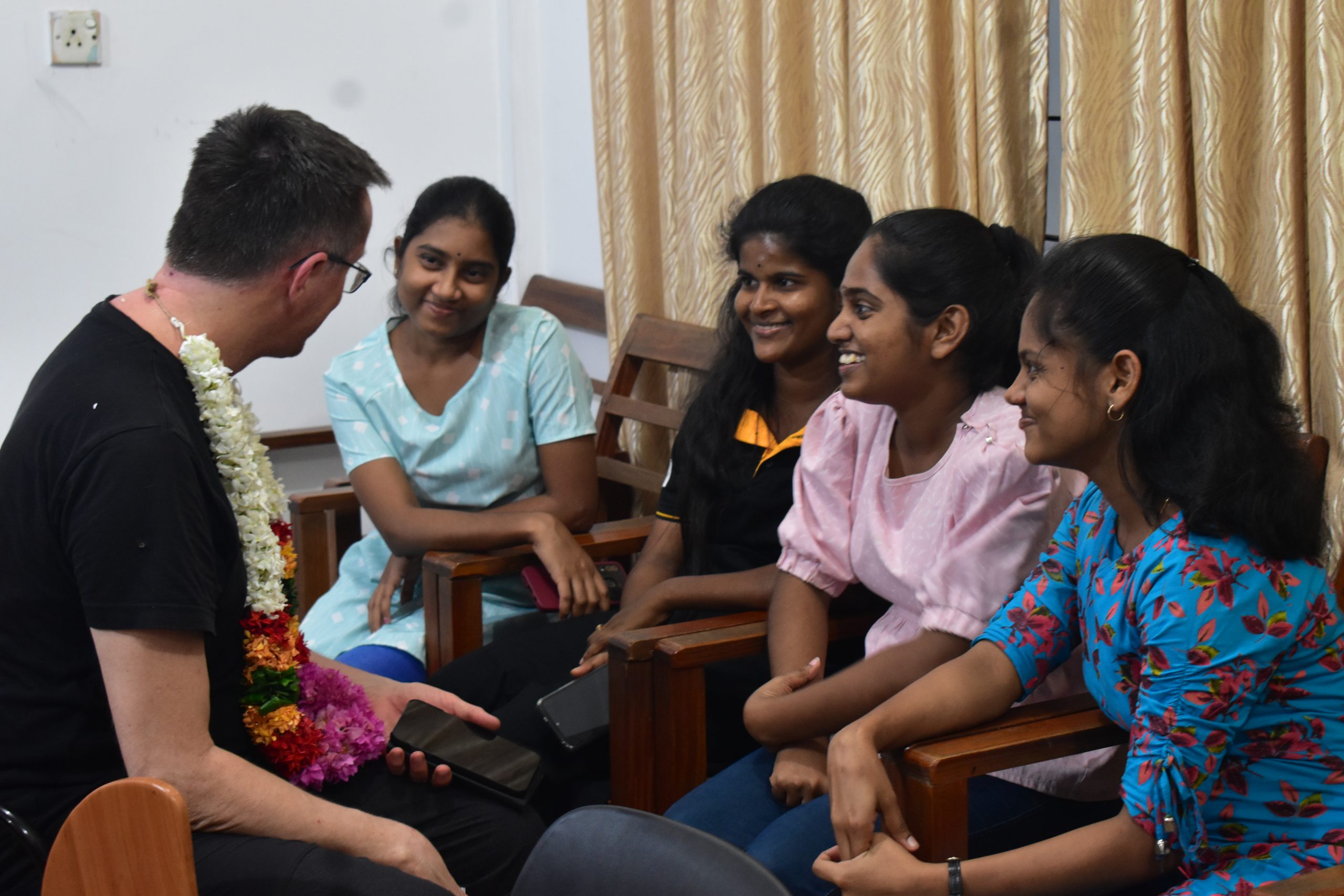
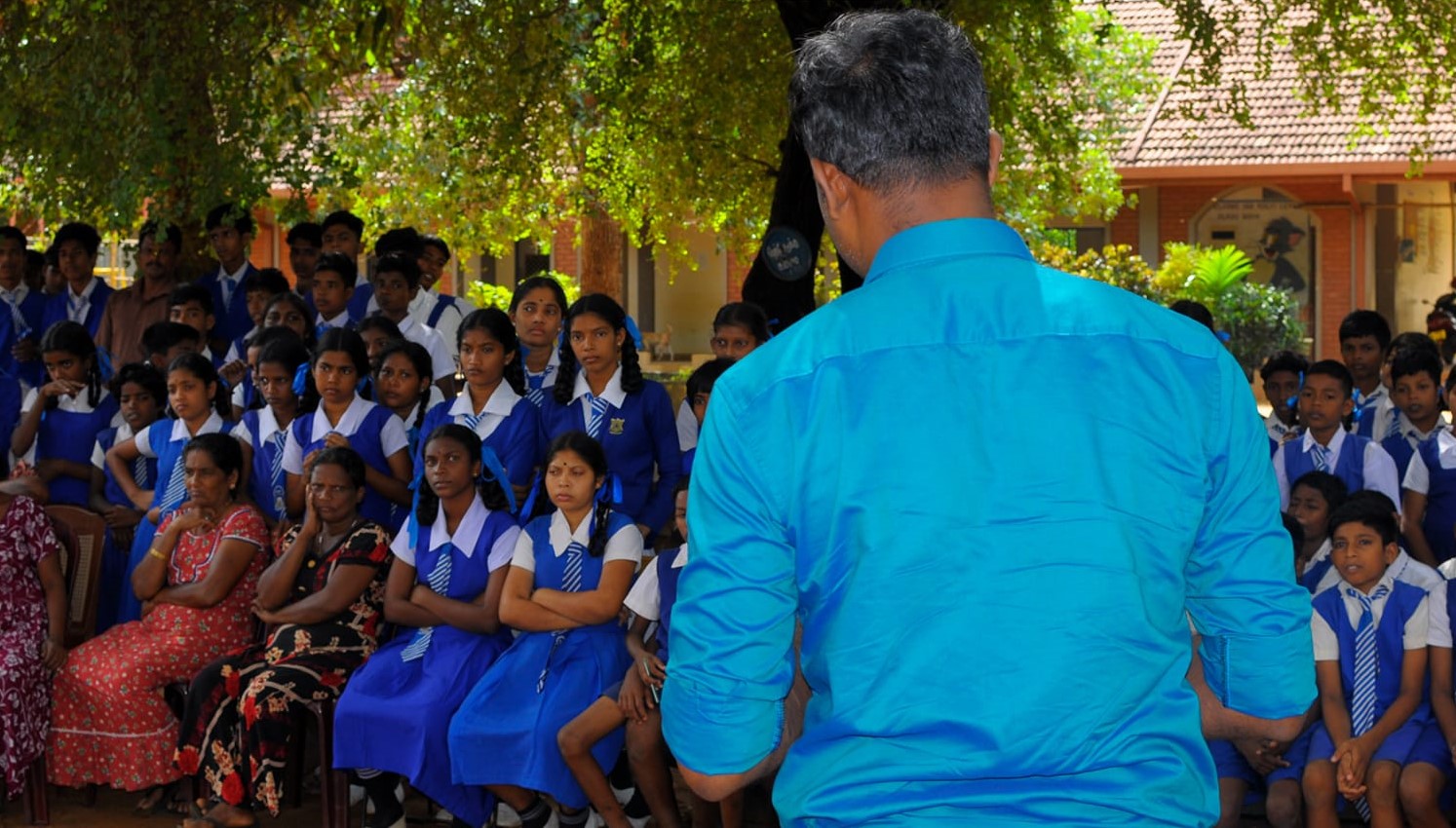
Mental health issues are increasing in the North region of Sri Lanka where the need for RAHAMA’s intervention is identified as vital as significant concerns affecting individuals and communities. Stigma and limited access to services often prevent people from seeking help. RAHAMA therefore aims to empower communities with self-care capabilities to upkeep their mental health. We aim to address the mental health needs in civil society, schools, and primary healthcare institutions in the Northern Region, through training initiatives, and improved referral systems and break down barriers. Raised awareness, and fostering a supportive environments for mental health promotion, we strive to promote mental well-being and resilience across the region.
HUMAN TRAFFICKING
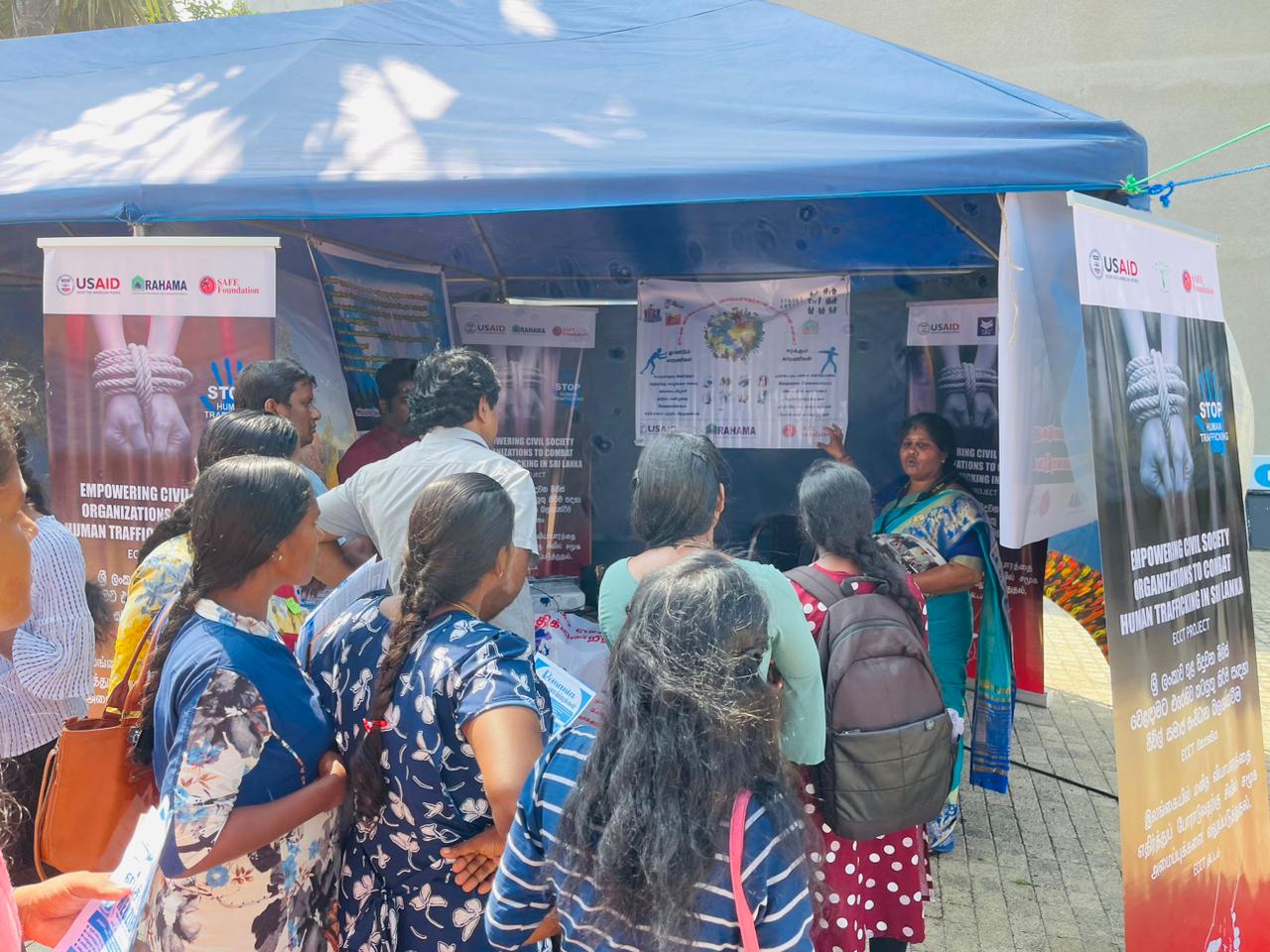
Empowering CSOs to Combat Human Trafficking in Sri Lanka (ECCT), implemented by RAHAMA and the project is funded by USAID through SAFE foundation under their Civil Society Impact initiative. The ECCT project will deploy a 3-pronged strategy to address the urgent need for government and non-governmental action to counter human trafficking and promote safe migration in Sri Lanka: (1) Fill and bridge policy gaps to consolidate existing legal/regulatory frameworks through advocacy and engagement of civil society networks in anti-trafficking activities (2) Increase capacity of government and civil society partners to address trafficking at national, regional and local levels (3) Facilitate the creation of networks and spaces for effective collaboration among government, civil society and general public to addressing human trafficking.
Our Projects
RAHAMA is implementing a five-year project funded by FORUT for the 2024-2018 period in 7 locations in Northern Sri Lanka under RAHAMA’s 5 pillars and resettlement work, disaster recovery in addition. Currently, we are partnering with 7 grass-root organizations as boundary partners in Vavuniya, Mullaitivu, Kilinochchi and Jaffna. Project is implemented under FORUT’s Programme Framework and measured by FORUT Indicators. The programme will contribute to RAHAMA’s vision through reduced harm from alcohol use, improved mental health enhanced realization of children’s rights, more gender justice and upholding of democratic principles. Empowered right-holders and a strong civil society operate in a conducive space and hold duty-bearers accountable in a proactive manner.
We work for school children, teachers, community leaders, men and women in rural community, women entrepreneurs, internally displaced, women leader in politics, youth, etc. by collaborating with law enforcement agencies, health institutions, District and Divisional Secretariats, departments, vocational training institutes, etc. result-based management by giving training, organizing discussions, raising awareness, construction of shelters, livelihood initiatives, advocacy work and by echoing and raising voice of marginalized and vulnerable groups.